48 hr
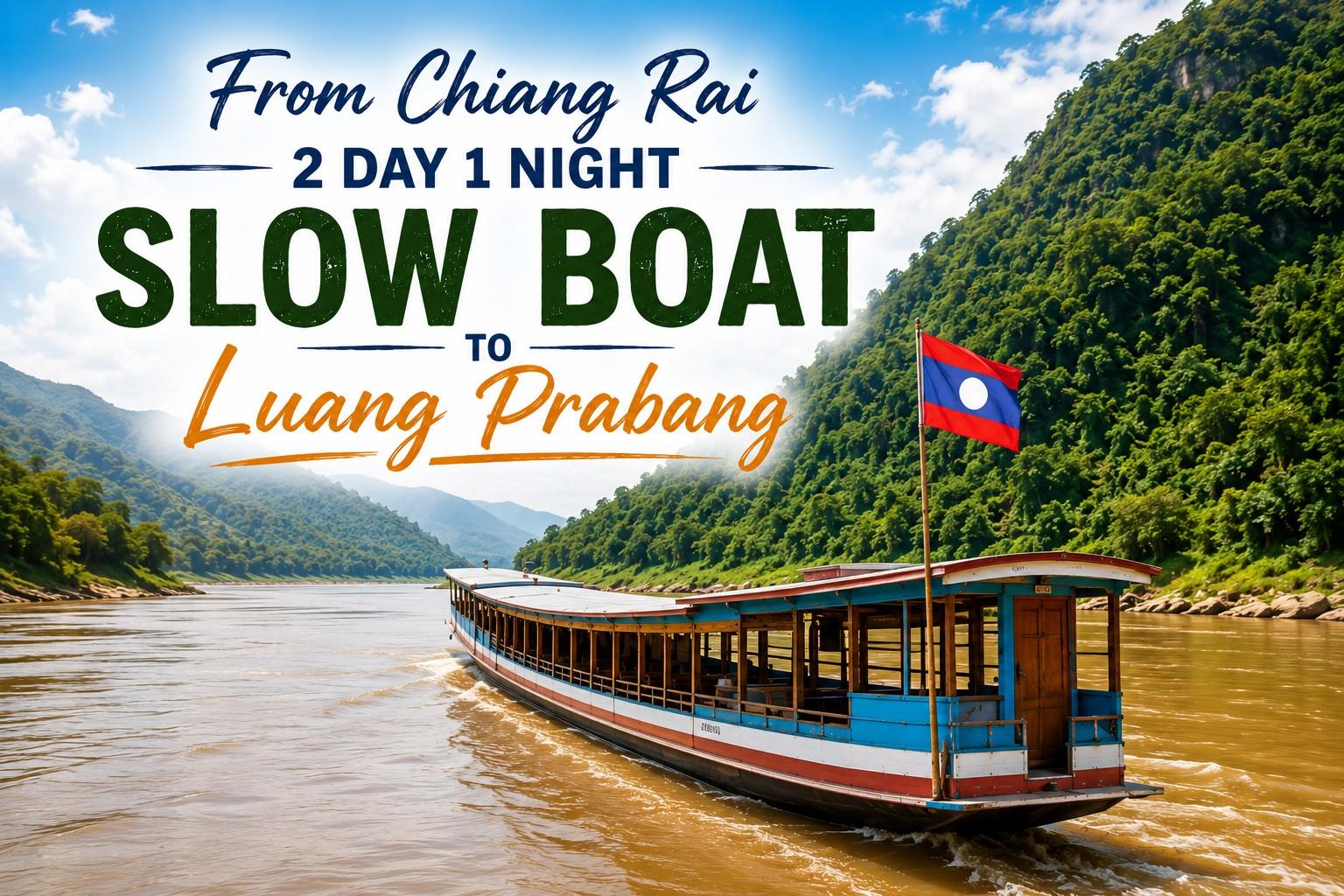
Two-Day Mekong Slow Boat: Chiang Rai to Luang Prabang
Cruise the legendary Mekong on a traditional slow boat, winding through stunning river valleys from Thailand to Laos over two unforgettable days.
Reserve
Hand-picked by our editors — only the best 5 slow boat journeys from 12 reviewed.
Verified partners for every tour, free cancellation where available, and instant confirmation on every booking.
48 hr
Cruise the legendary Mekong on a traditional slow boat, winding through stunning river valleys from Thailand to Laos over two unforgettable days.
Reserve
48 hr
Navigate the Mekong from Thailand to Laos on a scenic two-day river voyage to a UNESCO heritage town.
Reserve
48 hr
Scenic two-day river transfer from Thailand to Laos with overnight in Pak Beng and Mekong sunsets
ReservePrices from verified partners. Availability updates in real time at checkout. Free cancellation policies apply where shown.
The landmarks, rooms, and views travelers on this tour remember — all visible on a single visit.
The primary waterway connecting northern Laos and Thailand with massive, winding currents that shape the geography. Experience the scale of the river during your transit from the Slow Boat Pier.
Pakbeng Village
Lao Riverbank Landscapes
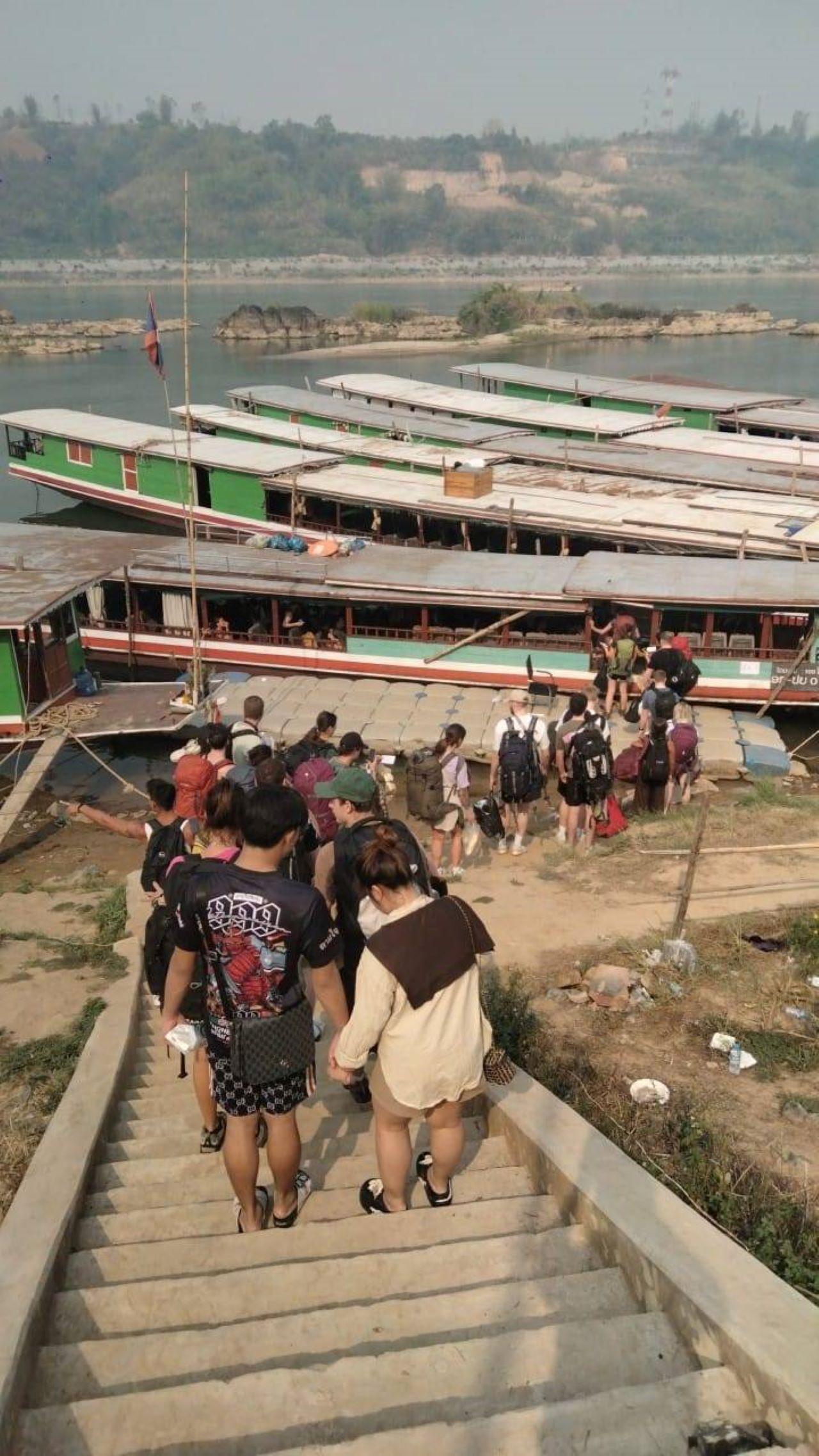
Slow Boat Pier
Luang Prabang Arrival
The slow boat offers a relaxed, communal experience, while the Mekong River speed boat provides rapid transit for those prioritizing time over comfort. Most travelers find the slow boat superior for viewing the river landscape, whereas speed boat tours are preferred by those on a strict itinerary.
| Feature | Top pick Slow Boat | Speed Boat |
|---|---|---|
Speed |
Two days (12-14 hours) | 6-8 hours |
Comfort |
Spacious seating and movement | Cramped with limited movement |
Noise Level |
Low motor hum | Very loud engine noise |
Safety |
Stable, low-risk transit | Higher risk, requires helmet |
Scenery Enjoyment |
High, leisurely pace | Low, blurred movement |
Suitability for Families |
High, child-friendly | Low, not recommended for children |
| See tickets → |
Verdict: If you are considering chiang rai to luang prabang slow boat tickets tours, choose the slow boat for a scenic journey, or the speed boat if you need to minimize travel duration. When buying your chiang rai to luang prabang slow boat tickets tickets, prioritize the slower vessel for a more authentic river passage. Booking a chiang rai to luang prabang slow boat tickets tour ensures a reliable entry into the Laotian waterway system.
Choose your ticket, select your date, and reserve in under two minutes. Secure checkout handled by our verified partner.
Instant confirmation by email, with a mobile voucher you can save offline. No printing, no queuing at a collection desk.
Arrive at the entrance, show your voucher on your phone, and walk in. Most tickets include priority or skip-the-line access.
Practical details for your visit straight from our verified partners — hours, access, rules, and how to get there.
Huay Xai, Bokeo Province, Laos
Main boarding area for departures
Buses operate from Chiang Rai to Chiang Khong border. Take a tuk-tuk to the Slow Boat Pier.
Private transfers from Chiang Rai directly to the border. More expensive but faster.
Modest clothing is recommended when boarding and visiting village stops along the Mekong River. Lightweight, breathable fabrics are best for the tropical climate.
Passengers are responsible for their own luggage throughout the journey. Ensure all valuables remain on your person at all times.
Photography is permitted from the boat deck during the two-day transit. Respect local privacy when photographing people at riverbank stops.
The pier and vessels are not designed for wheelchair access. Boarding often requires navigating steep or slippery riverbanks.
Mobile signal is intermittent along the Mekong River. Use of phones is allowed, but charging outlets are rarely available on public boats.
The journey is long and may be challenging for small children. Bring sufficient snacks, entertainment, and hydration for the duration.
Basic snacks and beverages are usually sold on board, but variety is limited. Passengers should carry extra water for the two-day trip.
Pets are generally not permitted on public slow boat vessels. Check with local operators for private boat arrangements.
The journey typically takes two days with an overnight stop in Pakbeng. Verify your ticket details for specific boat operator information.
Best time to go, insider tips, nearby landmarks, and the cancellation fine print — flip through to skim what matters to you.
How crowds, weather, and events shift across the year.
Cooler temperatures and comfortable travel conditions. Ideal for viewing the river landscape without heavy rain.
Higher temperatures but manageable crowds. Good for travelers seeking a slower pace.
Lush green scenery along the riverbanks. Be prepared for occasional rain showers during the transit.
Small details that turn a good visit into a great one.
Arrive at the pier between 08:00–09:00 to get a good spot. Prime seats near the front fill up quickly.
Bring sufficient Lao Kip for food and incidentals. ATMs are scarce once you leave Huay Xai.
Even in summer, the morning breeze on the water can be cool. Layers are helpful for the two-day trip.
Facilities on board are basic. Always carry your own supplies for the journey.
The river environment can be damp. Use dry bags to store phones and cameras during the transit.
Non-bookable sights within a short walk — free to visit, easy to pair.
Historic temple overlooking the river in Huay Xai.
Flexible, no hidden fees.
Requests must be made at least 48 hours before the scheduled departure for a partial refund. The entrance fee of 400,000 LAK is subject to operator-specific terms.
Hand-picked options within walking distance — pick a district for vibe, or a specific hotel for convenience.
Basic stay near the boarding area.
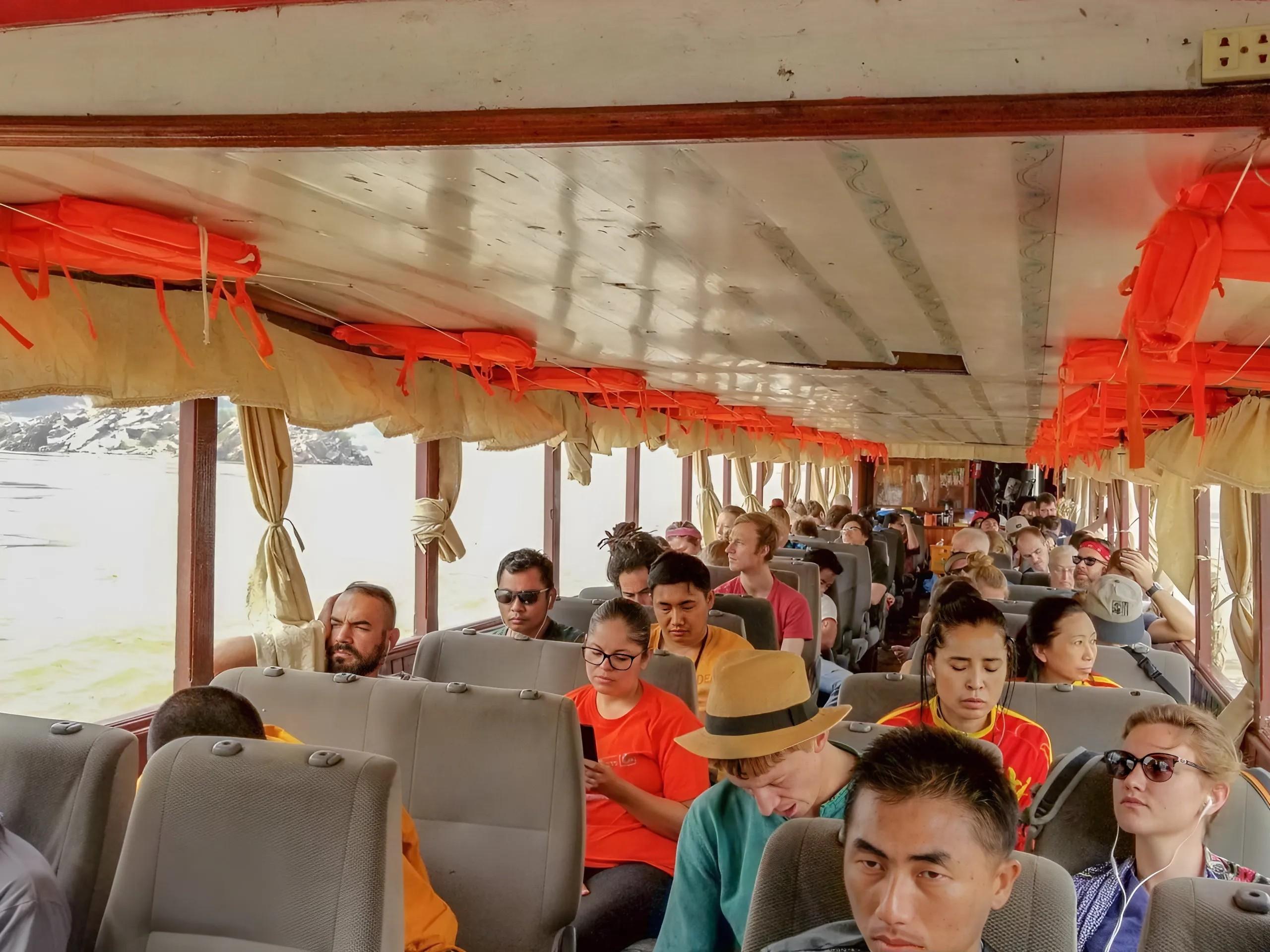
The public slow boat between Thailand and Laos carries no formal name, no published timetable beyond a loosely observed morning departure window, and no reservation system in the Western sense. Passengers arrive at the Slow Boat Pier in Huay Xai between eight and nine in the morning, purchase a ticket from the ticket office near the immigration checkpoint, and board whichever wooden longboat is loading that day. The fare hovers around 400,000 Lao kip per person, collected in cash. Departure depends less on the clock than on the crowd — once the benches fill, the boat leaves. The route predates modern tourism by decades. Mekong commerce moved upriver and down long before paved roads reached northern Laos, and the slow boats that now carry backpackers and retirees once hauled sacks of rice, textiles, and livestock between riverside settlements. The vessels themselves remain largely unchanged: narrow wooden hulls stretched to fifteen or twenty meters, open-air seating on worn bench rows, a tarp canopy overhead, and a diesel engine at the stern. Speed rarely exceeds fifteen kilometers per hour. The 300-kilometer journey to Luang Prabang requires two full days, with a mandatory overnight stop in Pakbeng, a hillside village midway along the route where guesthouses and noodle shops line the single main street. Booking Chiang Rai to Luang Prabang slow boat tickets in advance became possible only recently, as third-party operators began packaging the transfer with accommodation in Pakbeng and onward transport from the Luang Prabang arrival pier. The public boat itself remains first-come seating, but prepaid options now include reserved benches near the bow, luggage assistance, and confirmed guesthouse beds at the halfway point. The second day on the water brings passengers into Luang Prabang by late afternoon, passing limestone cliffs, teak-forested banks, and the occasional village landing where children wave from muddy shore platforms. The Mekong at this latitude runs wide and brown, fed by tributaries draining the northern mountains. Sandbars appear and vanish with the season. During the wet months from June through October, the current quickens and water levels rise enough to float fully loaded cargo boats; in the dry season, the river narrows and the slow boat pilots navigate carefully around exposed rock shelves. Passengers seated at the front feel the spray when the hull slaps against a wake. Those at the back inhale diesel fumes and engine heat. The middle benches offer the steadiest ride and the clearest view of the forested ridgeline that accompanies the river for most of the route. There is no meal service, no air conditioning, and no assigned seating. What passengers bring aboard — snacks, water, a cushion for the wooden bench — determines the comfort level for the next eight hours.

"The fare hovers around 400,000 Lao kip per person, collected in cash."
A step-by-step walkthrough of the visit — what you'll see, how long each stage takes, and the details that matter.
You cross the Thai-Lao Friendship Bridge from Chiang Rai province early, clear immigration on the Lao side by half past seven, and walk downhill toward the Slow Boat Pier in Huay Xai. The ticket office opens at eight. You pay 400,000 kip, receive a handwritten slip, and follow other passengers down the concrete steps to the riverbank where three or four longboats rest against the pier. Boarding begins around nine. You choose a bench in the middle section, away from engine noise and bow spray, and settle your daypack beneath the seat. The boat pulls away from Huay Xai before ten, the engine settling into a low thrum as the pilot steers into the main channel. The Mekong stretches wide and flat under the morning glare. Forested hills rise on both banks. Villages appear every half hour — wooden houses on stilts, children fishing from bamboo platforms, laundry drying on rocks. By noon the sun overhead turns the canopy into welcome shade. You eat the baguette and fruit you packed that morning. Pakbeng appears on the right bank in late afternoon, a steep grid of guesthouses and restaurants clinging to the hillside. Everyone disembarks. You check into a simple room overlooking the river and eat fried rice at a streetside table. The second morning begins the same way: tickets checked, engine started, Mekong current ahead. Limestone cliffs replace the low hills. The river narrows. Luang Prabang's arrival pier comes into view by four in the afternoon, the boat sliding alongside a crowded wooden dock where tuk-tuk drivers wait in the dust.
You can purchase your chiang rai to luang prabang slow boat tickets directly at the Slow Boat Pier in Huay Xai. Local operators also provide booking services for these chiang rai to luang prabang slow boat tickets tours.
The standard entrance fee for chiang rai to luang prabang slow boat tickets is 400,000 LAK per person.
Boats typically depart between 09:00 and 11:00, so you should arrive at the Slow Boat Pier by 08:00–09:00 to secure your seat.
Refund policies for chiang rai to luang prabang slow boat tickets vary by operator, but generally require 48 hours notice.
Bring a passport, 400,000 LAK for your chiang rai to luang prabang slow boat tickets, sunscreen, and a power bank.
Yes, the Slow Boat Pier is open daily from 08:00–16:00, allowing you to use your chiang rai to luang prabang slow boat tickets throughout the week.
Basic snacks and drinks are available on the boat, though we recommend bringing your own supplies to accompany your chiang rai to luang prabang slow boat tickets.
The slow boat journey is a common transit method; always follow staff instructions at the Slow Boat Pier when using your chiang rai to luang prabang slow boat tickets.
The total transit time is two days with an overnight stop, which is standard for all chiang rai to luang prabang slow boat tickets tickets.